To address low Tie2 + yields during expansiona key limitation in transplantation approachesthe PPAR agonist GW501516 increases Tie2 + NPPC proportions from approximately 7% to 50% across passages [91]
Over the years, exosome-based therapies have emerged as a promising option in the treatment of IS, and their combination with existing therapies could reduce the side effects associated with drug and stent treatments
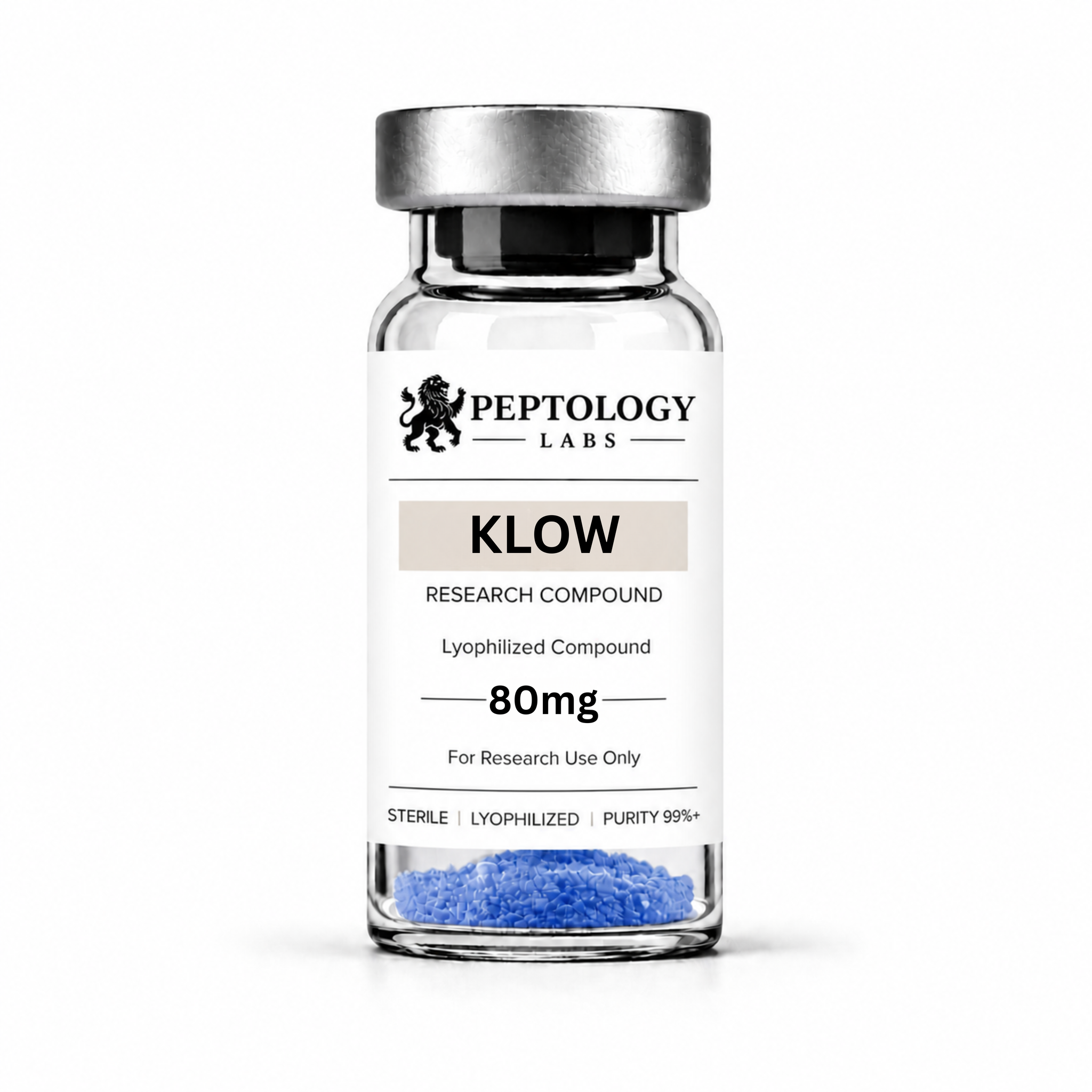
Related Topics KLOW Dosing Calculator The 4-peptide variant with KPV for reactive or post-procedure skin Injury Recovery Peptide Protocol Five-compound structural repair framework including NAD+ metabolic support BPC-157 + TB-500 Wolverine Stack Simpler injury recovery stack centered on the two core repair peptides BPC-157 Guide Standalone dosing, pharmacokinetics, oral vs injectable TB-500 / TB-4 Guide Fragment vs full-length, CoA verification, threshold-saturation mechanism GHK-Cu Guide Copper peptide mechanism for skin and matrix quality NAD+ Guide Cellular energy support for intensive repair cycles Peptide Reconstitution Guide General bacteriostatic water and syringe handling Where to Inject GLOW Peptide Near-injury vs systemic injection routing References GHK-Cu tissue-organization signaling and copper-peptide complex TGF-/Smad matrix organization, lysyl oxidase cross-linking, SOD/catalase antioxidant expression, copper coordination chemistry, 4,000+ gene modulation: PubMed 29986520

Aurrand-Lions, M
The diversity in mRNA expression levels might arise due to a myriad of factors, potentially linked to cellular context, tissue specificity, and even cancer types
Stephens, D.B