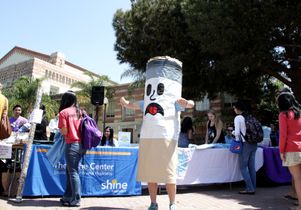
Populations that warrant special attention for advancing health equity, due to tobacco use and industry targeting, include: African Americans American Indians or Alaska Natives Armed services members and military veterans Asian Americans, Native Hawaiians, or Pacific Islanders Hispanics and Latinos Lesbian, gay, bisexual, transgender, queer/questioning, (LGBTQ+) individuals People of lower socioeconomic status (SES ) People with mental health and/or substance use disorders (MH/SUD) Youth and Young Adults To learn more about how to talk about tobacco impacts from a health equity perspective, visit Framing Tobacco Disparities and Smoking and Tobacco Use, CDC
Promotional material for the products suggested that these cigarettes would taste or smell differently from a solely tobacco-flavored product, the letter stated
James Stratton, the state health officer and DHS deputy director for prevention services, summoned Silverman to a closed-door meeting in Sacramento to discuss what would be acceptable and what would not be acceptable in the advertisements that were under development
The rankings have been published to coincide with a conference on drugs policy, organised by Prof Nutt's committee
Available in various forms, like patches, gum, lozenges, inhalers, and nasal spray, NRT can help reduce cravings and make quitting more bearable
Figure 2 3.2 Effect of tobacco origin on aroma precursors There were significant differences in the content of myosmine and anabasine in different origins ( Figures 3AC and Table S9 ), and the myosmine content in Datian increased by 57.14-120.00% compared with other origins, and the anabasine content in the upper and middle leaves of Guangcun increased by 66.67-92.31% and 6.25-41.67%, respectively