Avoid standard oral B12 supplements under 1000 micrograms they fail to correct deficiency in most cases
That's classic B12 deficiency territory
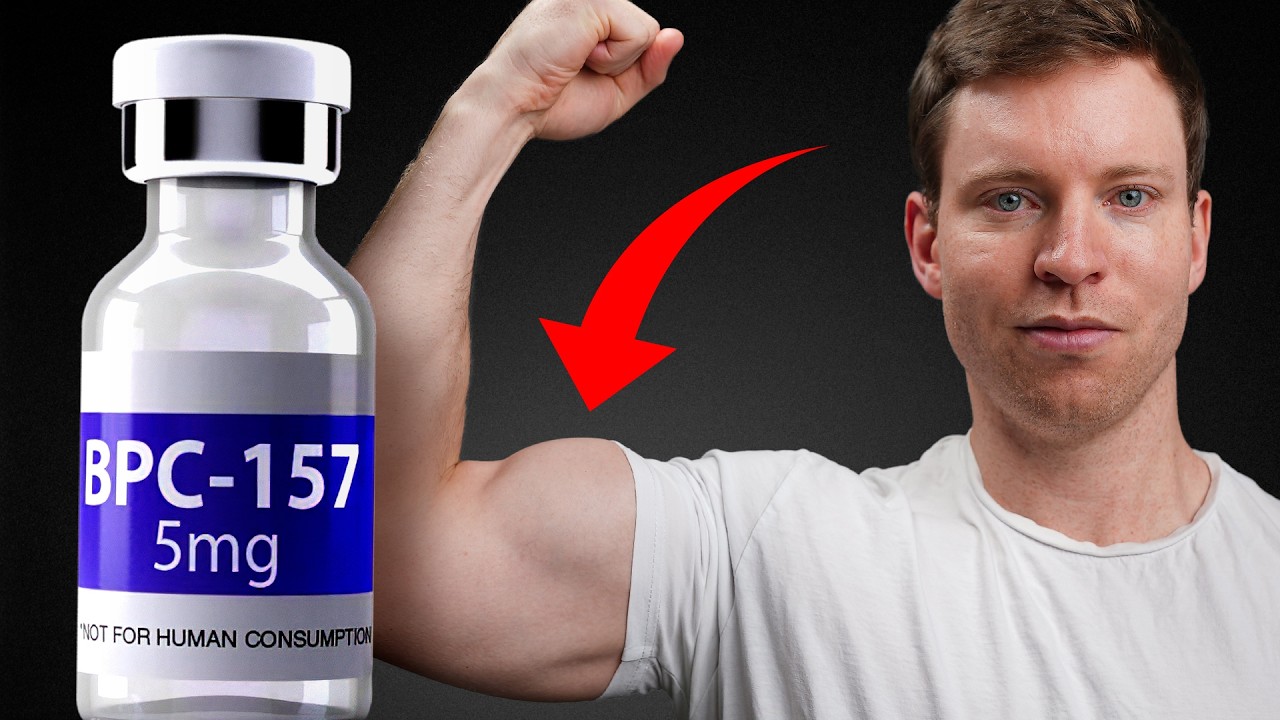
the FDA has stated it lacks sufficient information to know whether the substance would cause harm when administered to humans Evidence snapshot: The evidence base is almost entirely preclinical, decades of animal (largely rat) studies, mostly from one Croatian research group (Sikiric et al., University of Zagreb), with a single small human trial under the brand name "Bepecin" (around 2015) that did not lead to any FDA-approved use
This, in turn, helps maintain healthy blood pressure and improved blood flow to organ systems
Vitamin B6 food sources pork beef and beef liver chicken and turkey certain types of fish, including tuna and salmon soybeans chickpeas bananas cows milk fortified breakfast cereals Vitamin B9 (folate) food sources white rice sorghum beef liver leafy greens, including mustard greens and romaine lettuce non-starchy vegetables, including asparagus, green peas, and Brussels sprouts some fruits, including avocado, cantaloupe, banana, and papaya fortified breakfast cereals bakers yeast eggs whole grain or enriched white bread Vitamin B12 food sources beef and beef liver chicken and turkey tuna, salmon, and other fish clams cows milk fortified plant beverages fortified breakfast cereals tempeh nutritional yeast eggs cows cheese Supplementing with B vitamins has been linked with an increased risk of lung cancer

In persons with intestinal lesions such as jejunal diverticulosis or some anatomical abnormalities with bacterial overgrowth (e.g., fistulas and blind-loops), vitamin B12 deficiency may develop because bacteria in the colon competitively utilize all the available vitamin B12 (Cooke et al., 1963)