The Bacteroidetes and Negativicutes class of Firmicutes synthesize propionate via a succinate route, utilizing vitamin B12 to transform succinate into propionate
We also rate the evidence for safety of long-term N-acetylcysteine use
Phytochemical constituents Mucuna seeds are known to produce the unusual nonprotein amino acid 3-(3,4 dihydroxyl phenyl)-l-alanine (l-Dopa), a potent neurotransmitter precursor that is, at least in part, believed to be responsible for the toxicity of Mucuna seeds (Cilia et al
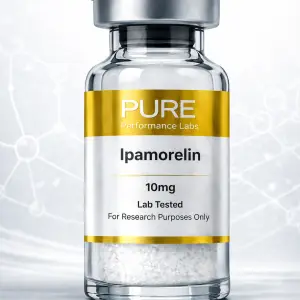
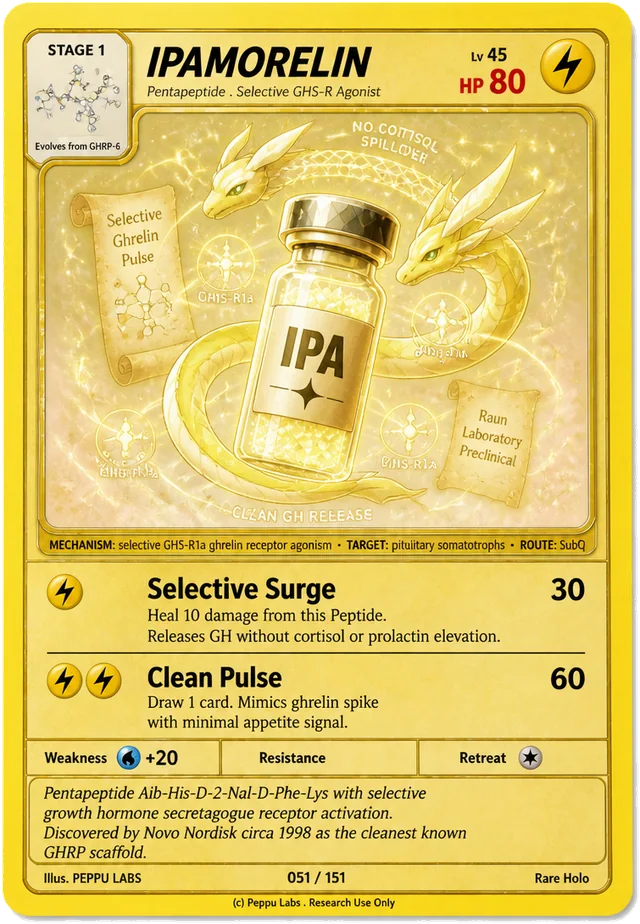
Other Compounds Lets compare CJC 1295 + Ipamorelin with other popular peptides to understand their unique benefits and applications
Comprehensive molecular characterization of human colon and rectal cancer
In response to bacterial stimulation, Nav1.8 + nociceptive neurons release CGRP, which subsequently acts on macrophages to inhibit tumor necrosis factor (TNF) production and ultimately the recruitment of neutrophils and monocytes to the site of infection ( + sensory neurons are directly activated by the secreted perforin toxin streptococcin S (SLS) after streptococcal infection, and activated TRPV1 + sensory neurons can release CGRP, which subsequently inhibits neutrophil recruitment and bactericidal activity ( + sensory neurons can trigger a local type 17 immune response, which not only enhances the bodys defense against Candida albicans and Staphylococcus aureus but also enhances the defense ability of adjacent unstimulated skin through neural reflex arc ( Wound healing DRG sensory neurons promote wound healing by regulating neuroimmunity in a manner illustrated in Figure 3