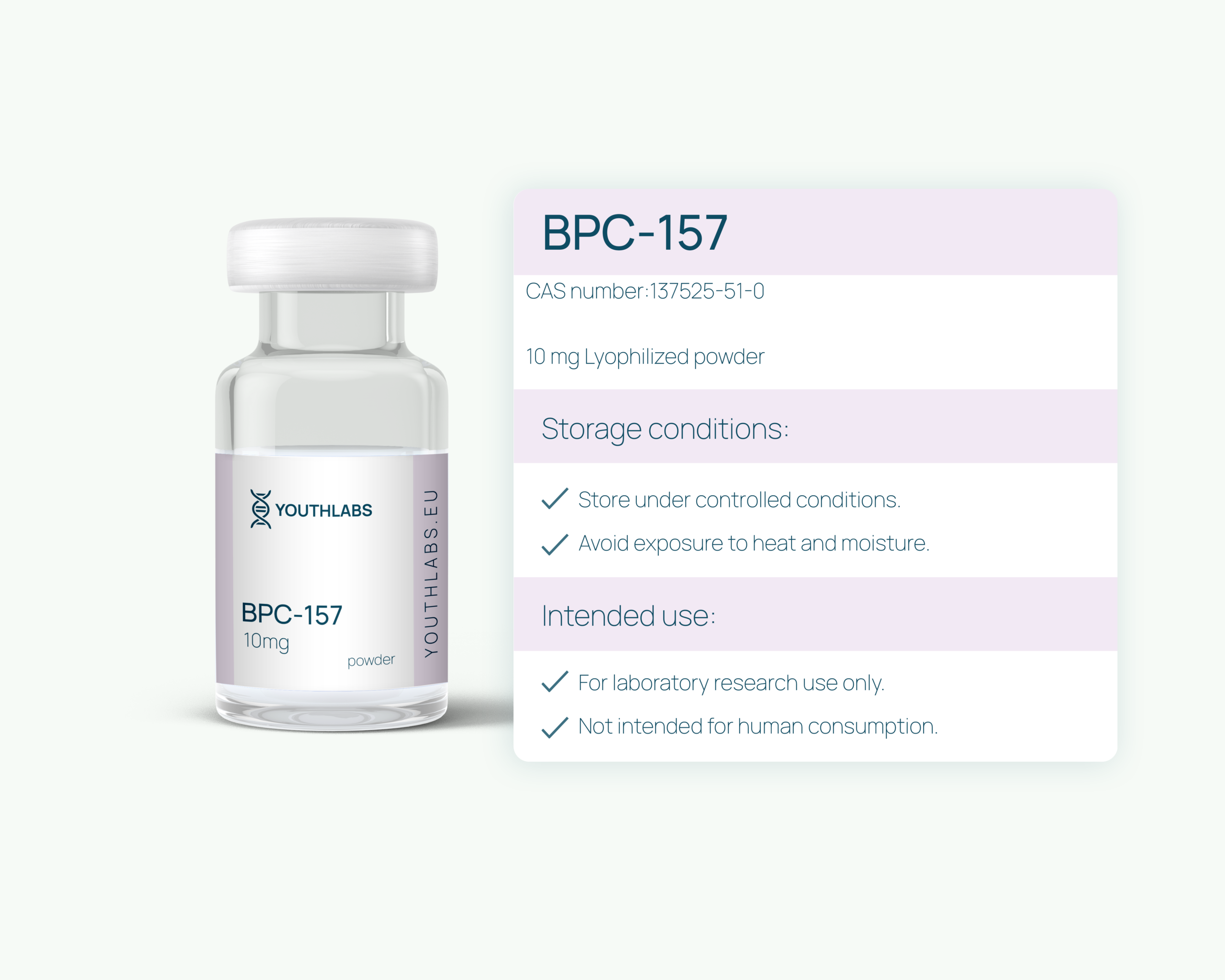
Key Takeaways Anti-inflammatory peptides target NF-kB, cytokine, and oxidative stress pathways without broad immunosuppression KPV, BPC-157, TB-500, and GHK-Cu are the most widely researched peptides for inflammation Mechanism of action varies some modulate NF-kB directly, others reduce inflammation through mitochondrial or hormonal pathways Research peptides are not approved for human anti-inflammatory use and should stay in a research-only context Chronic inflammation is a root driver of metabolic disease, autoimmune conditions, neurodegeneration, and accelerated aging
It enhances insulin secretion in response to meals
Background We refer readers to the CY 2025 OPPS/ASC final rule with comment period (89 FR 94561 and 94562) for the previously estimated effects of changes to the Hospital OQR Program for the CY 2025 reporting period and subsequent years
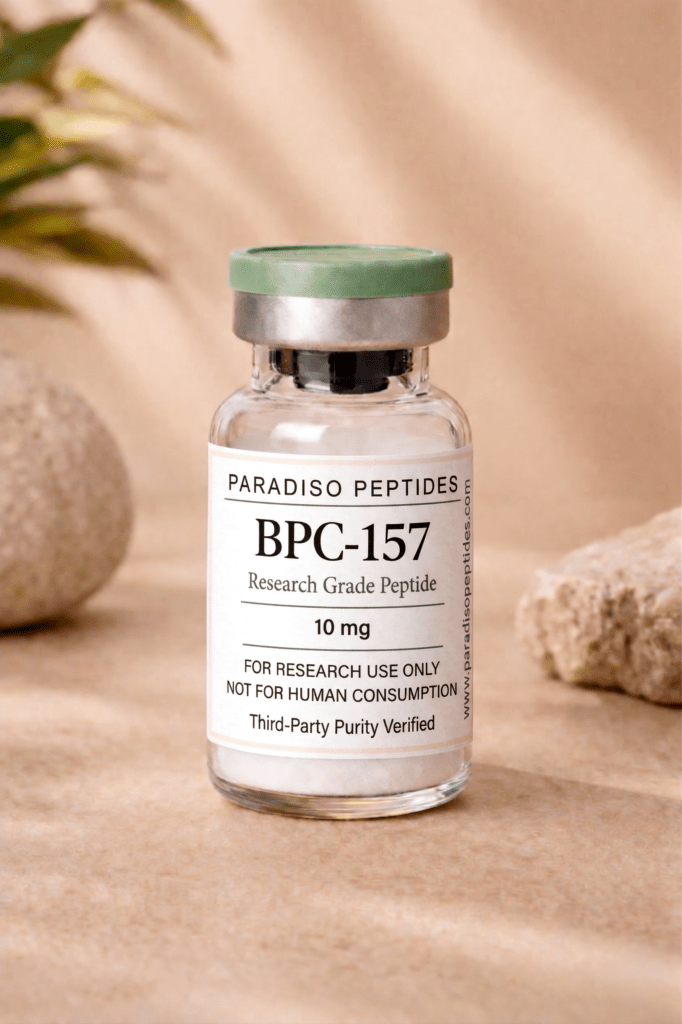
While BPC-157 is generally reported to be well-tolerated in the available research, it is important to be aware of potential side effects and precautions
Clinical Benefits: Essential cofactor in fatty acid synthesis and energy metabolism Supports the integrity of keratin, the structural protein in hair and nails Involved in gluconeogenesis and blood glucose regulation Supports neurological function and nerve signalling May help address symptoms associated with biotin deficiency Intramuscular delivery ensures reliable absorption where oral intake is inadequate Your practitioner will assess whether biotin injections are clinically appropriate for your individual circumstances and recommend a treatment plan accordingly
What's more, vitamin B12 also helps metabolise protein, which is important for muscle building