the remaining seven forms are uncharacterized in humans Bioavailability remains suboptimal, with oral administration largely ineffective due to enzymatic degradation
Take it daily with or between meals by adding it to a shake or smoothie, and see for yourself what the most nutrient-dense super food on the planet is all about.
Emerging research suggests that glutathione may support recovery from non-alcoholic fatty liver disease (NAFLD) by reducing inflammation and improving fat metabolism in liver cells (NIH)

Commonly Reported Research Observations Injection-site redness or irritation Temporary swelling or warmth sensation at the administration site Burning or stinging during administration Temporary skin sensitivity or irritation Mild headaches Temporary fatigue or tiredness Mild nausea Temporary itching or flushing sensations Temporary blue-tinted discoloration beneath the administration area in some research settings Copper-Related Research Considerations Because GHK-Cu is a copper-binding peptide, some research protocols may monitor for: Copper- and zinc-balance variability Increased sensitivity in higher-frequency protocols Temporary skin-related response variability Individual differences in antioxidant-response pathways Research involving prolonged or higher-frequency protocols commonly investigates the inclusion of: Zinc supplementation Vitamin C supplementation alongside GHK-Curelated research models

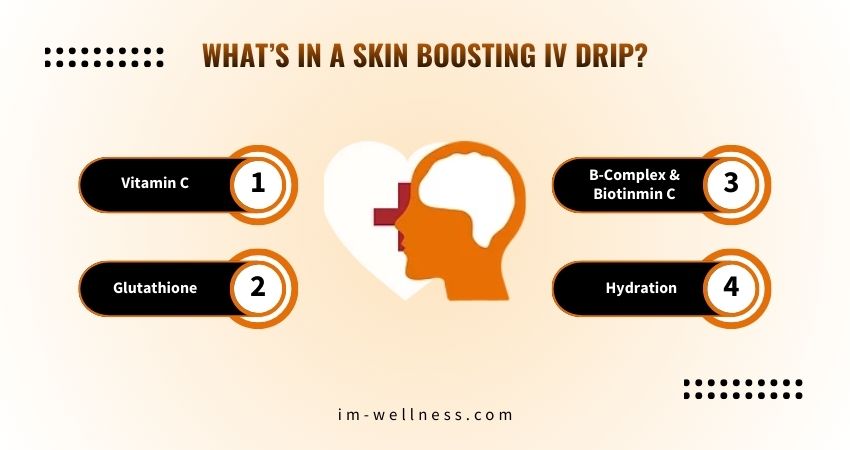
Detoxification: As a crucial component of the body's detoxification system, glutathione helps eliminate toxins that can negatively impact skin health
Conversion considerations for Canadian users purchasing BPC-157 typically encounter products measured in milligrams per vial (commonly 5 mg or 10 mg vials requiring reconstitution)