Success Stories At Our Austin Center Frequently Asked Questions About GHK-Cu GHK-Cu is a copper-binding peptide that acts as a signaling molecule to promote cellular regeneration and tissue repair
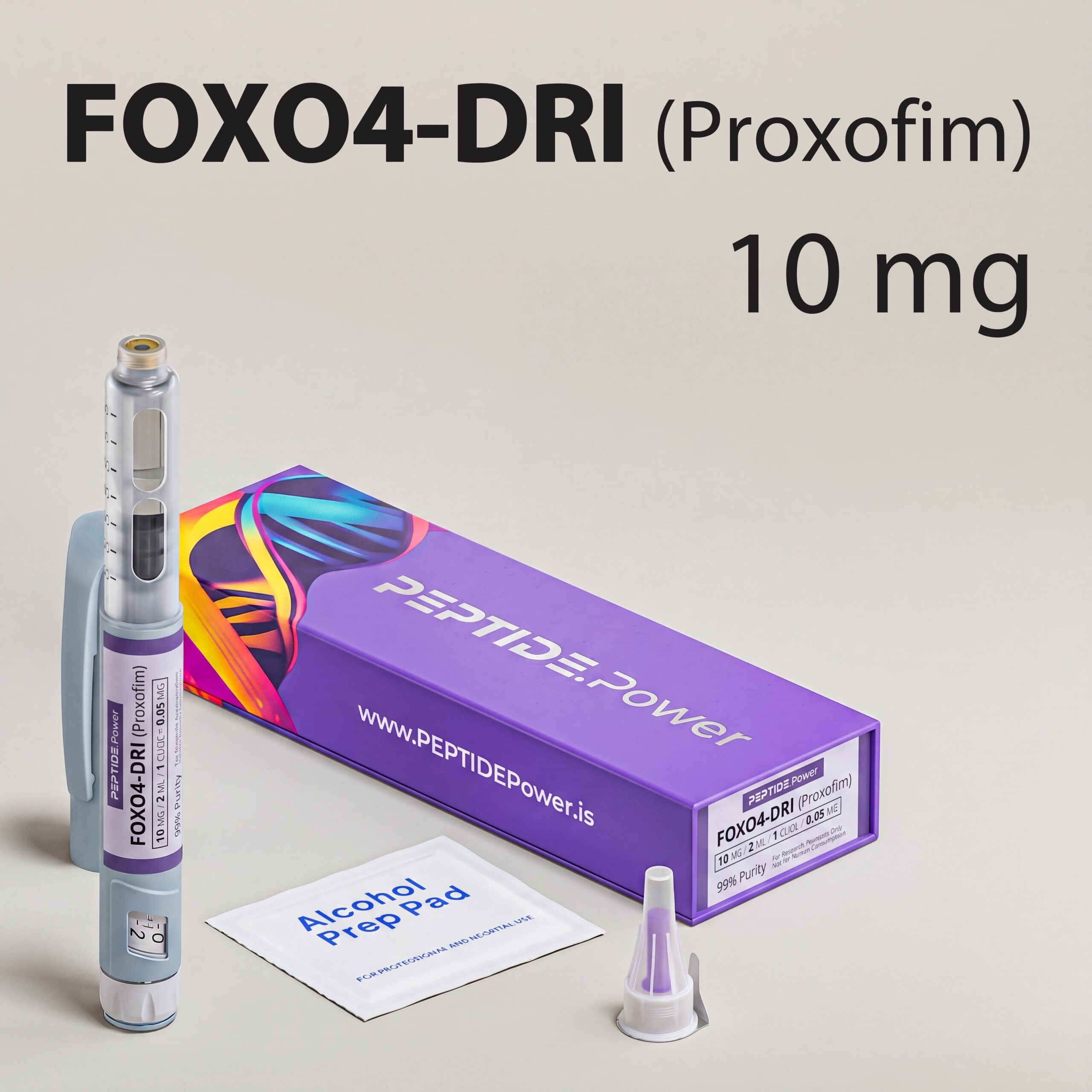
Storage Requirements Lyophilized (Powder) Form: Store at 2-8C (refrigerated) for optimal stability Can be stored at room temperature (20-25C) for short periods Protect from light and moisture Shelf life typically 2-3 years when properly stored Cagrilintide 10mg should remain sealed until ready for reconstitution Reconstituted Solution: Store at 2-8C (refrigerated) immediately after reconstitution Use within 28 days of reconstitution Do not freeze Protect from light Discard if solution becomes cloudy or discolored Reconstitution Protocol Standard Reconstitution Steps: Prepare materials Cagrilintide vial, bacteriostatic water, alcohol swabs, syringes Clean vial tops Wipe both vials with alcohol swabs Draw bacteriostatic water Typically 2-4 mL depending on desired concentration Add to peptide vial Inject slowly down the side of the vial (not directly onto powder) Gentle mixing Swirl gently

It has been widely studied in controlled research environments for its interaction with cellular mechanisms and biological processes
In Simple Terms Used in research studying copper peptide activity and extracellular matrix pathways Often included in skin, collagen, follicle, or matrix remodeling models Supports evaluation of peptide-metal complex signaling behavior Quick Summary: GHK-Cu is supplied as a N/A lyophilized research compound
Users should discontinue use if they experience any signs of allergic reactions, such as redness, hives, or itchiness.[3] While copper can potentially cause skin irritation or toxicity, in vitro studies suggest that GHK-Cu complexes may have a lower likelihood of inducing these effects.[4] However, it is recommended to consult a healthcare professional before using any new product on the skin or scalp
Research Objective This study evaluated whether stable gastric pentadecapeptide BPC 157 could reverse the otherwise permanent failure of quadriceps muscle-to-bone detachment in rats