Non-GLP-1 peptides like Tesamorelin, AOD 9604, and CJC-1295/Ipamorelin are available through licensed compounding pharmacies and require a prescription from a licensed provider
DNA methylation profiling distinguishes Ewing-like sarcoma with EWSR1-NFATc2 fusion from Ewing sarcoma

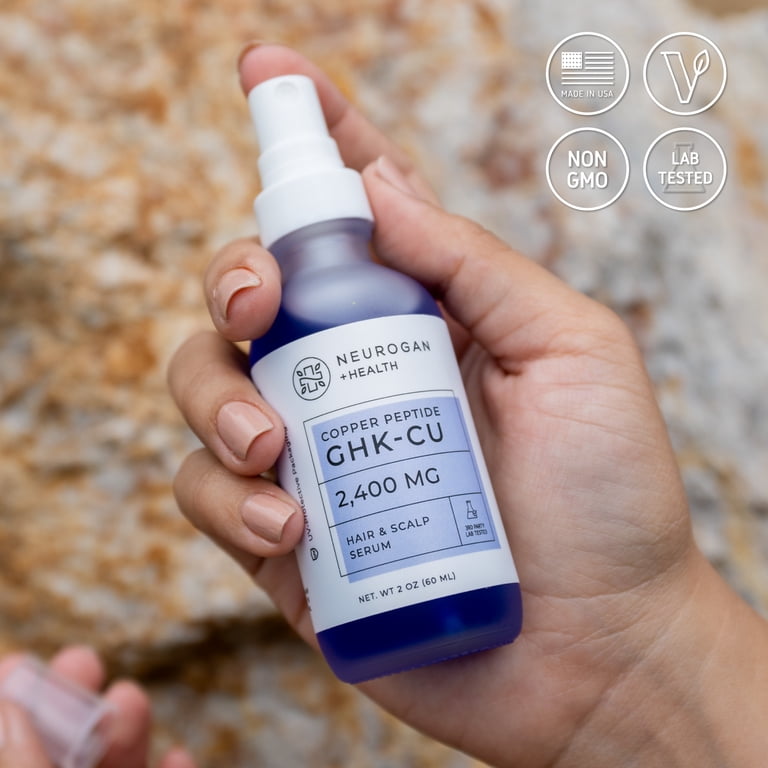
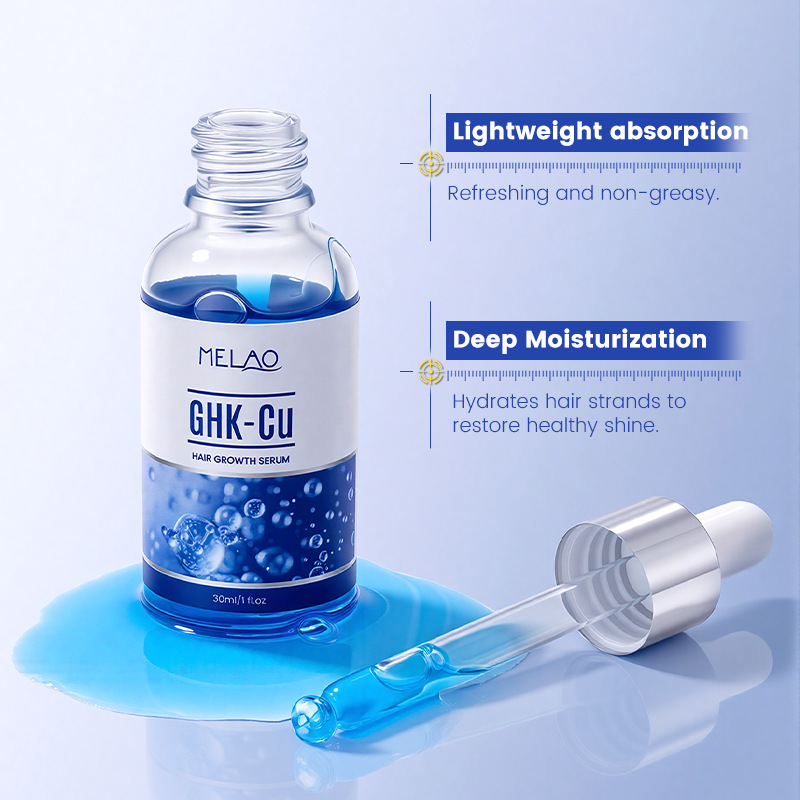
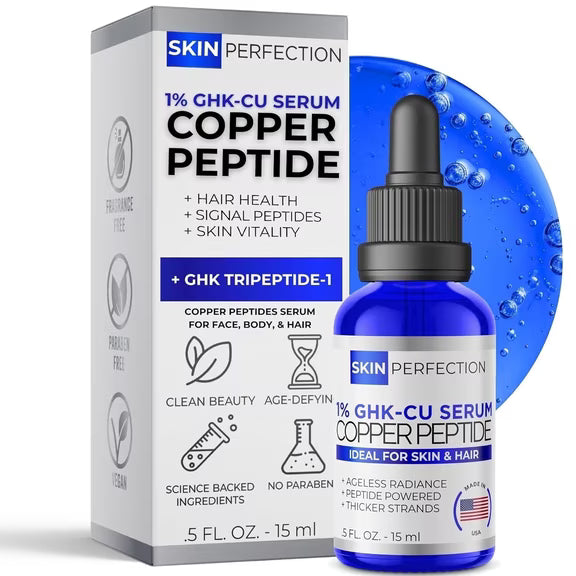
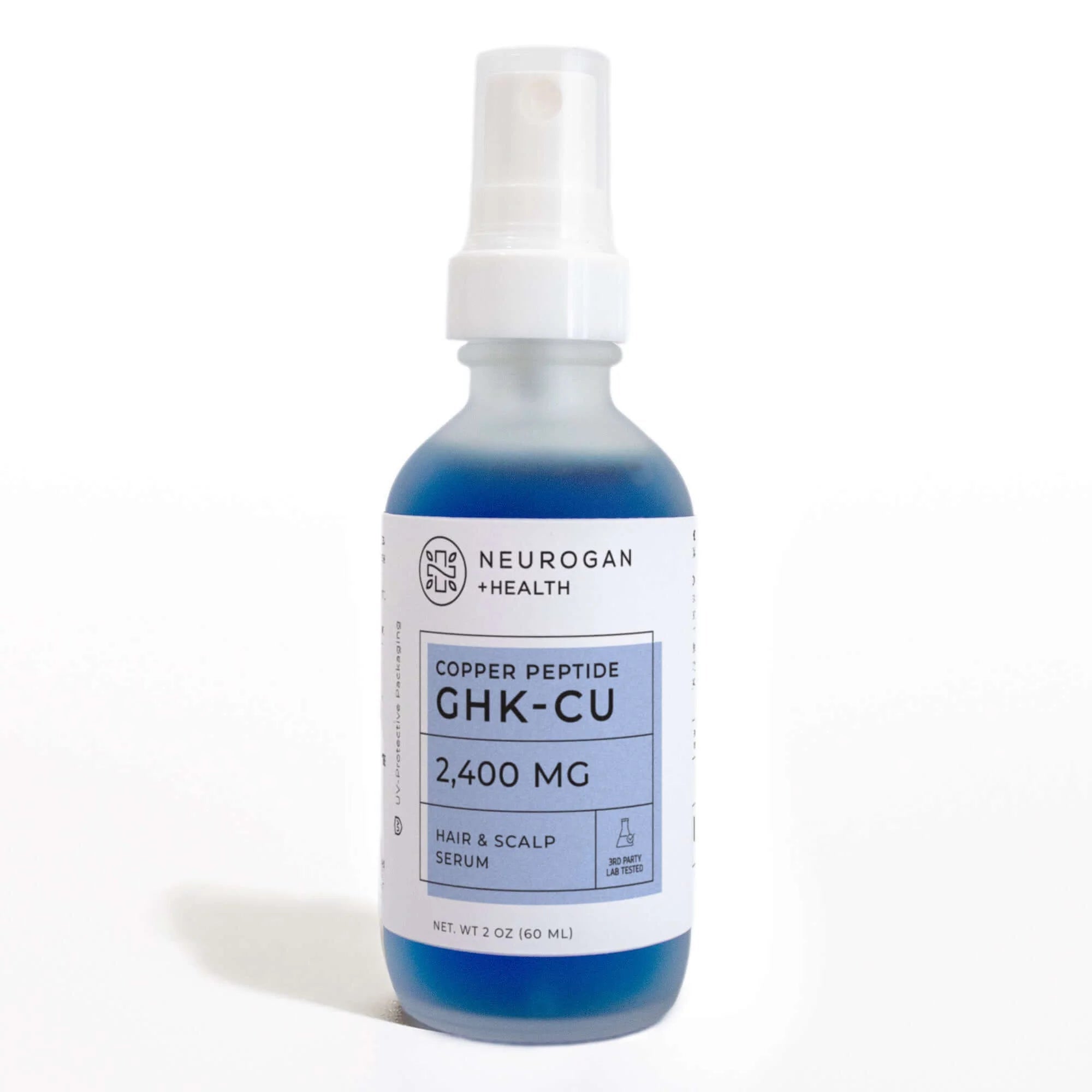
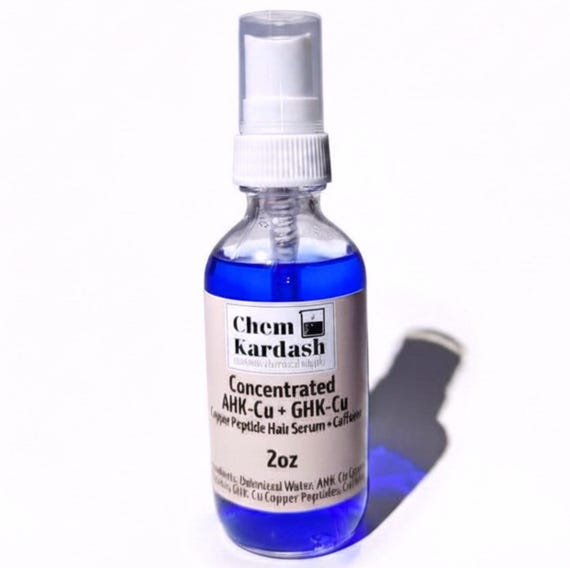
Skin wound healing: acute wounds, slow-healing wounds, and post-traumatic skin repair where collagen remodeling is a clinical priority Post-surgical tissue recovery: skin and soft tissue healing following surgical procedures, particularly where scar minimization and organized collagen deposition are desired Anti-aging and skin rejuvenation: wrinkle reduction, skin firmness, and surface texture improvement through topical or injectable GHK-Cu protocols Hair follicle stimulation: investigated for hair growth support in patients with hair thinning or loss where scalp vascularity and follicle reactivation are clinical targets Gastrointestinal mucosal healing: investigated for ulcerative colitis and GI mucosal repair through SIRT1/STAT3 pathway inhibition Combination wound healing protocols: used alongside BPC-157 and TB-500 to provide copper-dependent enzyme activation and gene expression regulation as part of a comprehensive tissue repair approach GHK-Cu is the peptide most commonly associated with skin applications in physician-supervised peptide therapy, and it occupies a distinct clinical role from the musculoskeletal-focused BPC-157 and TB-500
This reduces blood sugar levels and decreases the amount of glucose available for conversion to fat
Typical mix: 5 mg vial plus 2 mL BAC water equals 2.5 mg per mL 10 mg vial plus 2 mL BAC water equals 5 mg per mL Write the concentration and the discard date right on the vial
Impact of low concentrations of phthalates on the effects of 17-estradiol in MCF-7 breast cancer cells