Cellular and Metabolic Recovery Glycine promotes detoxification, collagen repair, and mitochondrial health for improved recovery and resilience
Symptoms like bloating, indigestion, fatigue, food sensitivity, and even mood swings can be traced back to an impaired gut lining
Optimization of vitamin suppletion after Roux-en-Y gastric bypass surgery can lower postoperative deficiencies: a randomized controlled trial
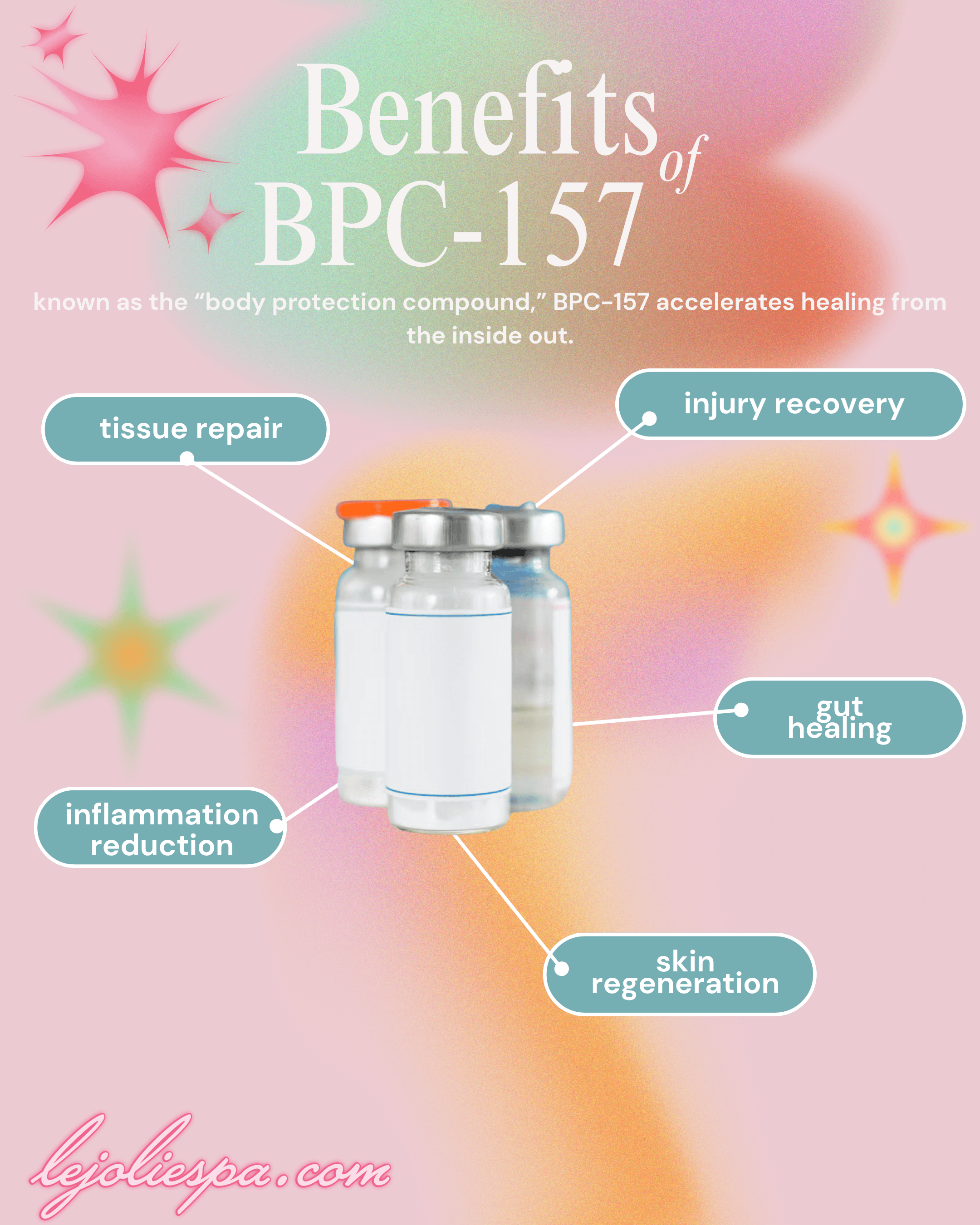
Often referred to as a healing peptide, BPC-157 supports tissue repair, reduces inflammation, and promotes faster recovery throughout the bodyespecially in muscles, tendons, ligaments, and the gastrointestinal tract
There is no clinical trial data specifically studying this approach, but some prescribers report anecdotally that patients maintain better long-term responses with periodic dose reductions

Laboratories may choose bacteriostatic water when: Working with multi-dose peptide vials requiring repeated access over days or weeks Conducting extended research protocols where peptides must remain stable in solution Minimizing contamination risk is a priority for experimental validity The peptide application tolerates benzyl alcohol (not for highly sensitive cell culture) Cost-effectiveness through reduced waste is important Laboratories may choose sterile water when: The entire reconstituted peptide solution will be used immediately in a single session Performing cell culture experiments where benzyl alcohol cytotoxicity is a concern Working with sensitive assays where preservatives could interfere with results Maximum purity without any additives is required for the protocol Fresh daily reconstitution aligns with existing laboratory workflows Quality Control Considerations Researchers should source reconstitution solutions exclusively from reputable suppliers with established quality control procedures